Short scripts, focused takes, and practical listening.

GIVE THE LINE A VOICE
Practice dubbing and voice-over through script marking, scene timing, clear articulation, and controlled retakes using simple recording tools.
HOW A TAKE COMES TOGETHER
MARK THE SCRIPT
Note pauses, breaths, stressed words, and emotional turns before speaking the line.
FOLLOW THE CUE
Use the scene, waveform, or countdown to enter naturally and finish within the timing.
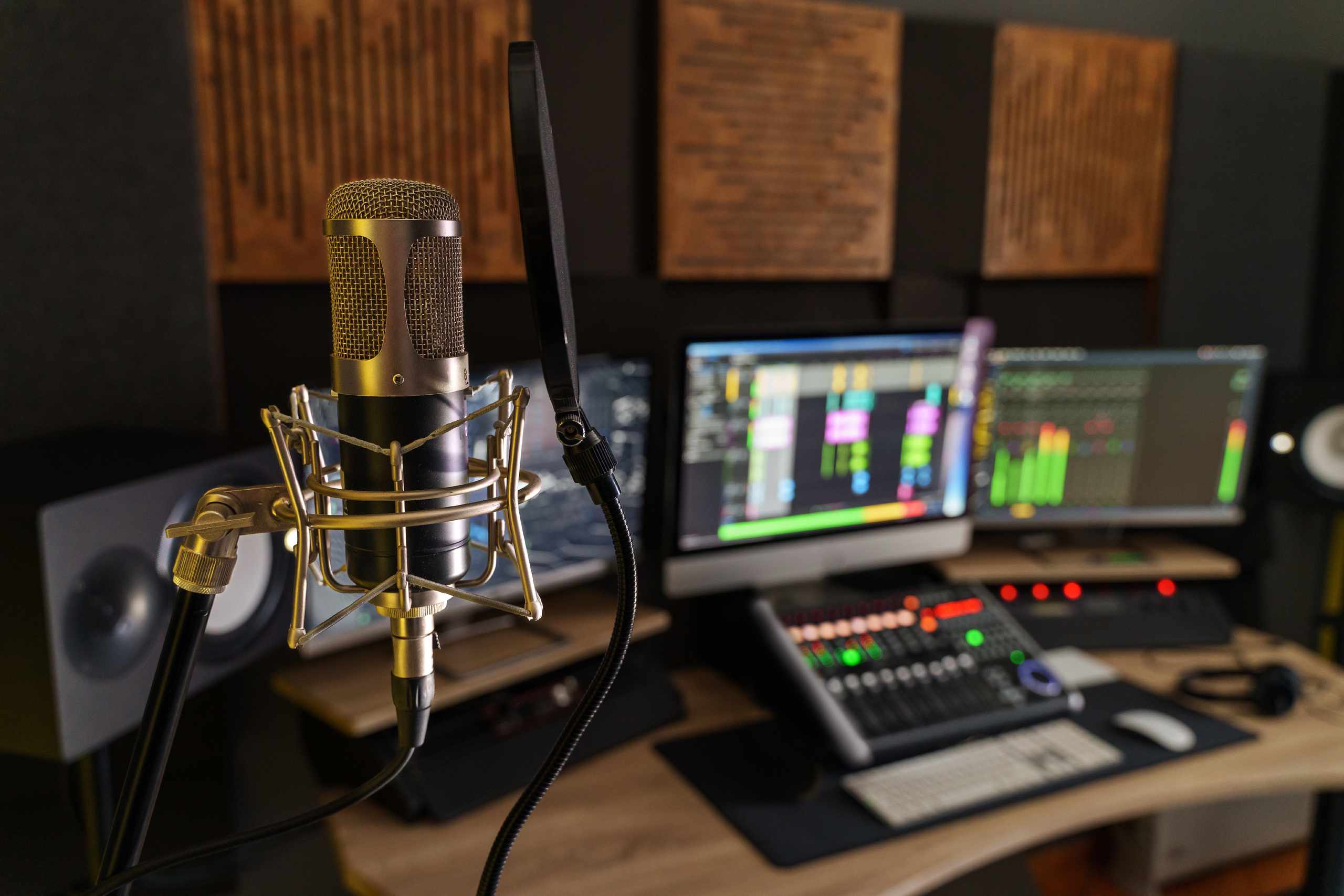
RECORD WITH CONTROL
Keep microphone distance, pacing, volume, and vocal tone steady through the take.
REVIEW ONE DETAIL
Listen for clarity, timing, or intention, then change one specific detail in the retake.
WHAT LEARNERS NOTICE
Marking breaths and emphasis before recording stopped me from rushing through every sentence.
Listening once for timing and once for clarity made my retakes much more focused.
I learned to change the intention of a line without forcing a louder or stranger voice.
CHOOSE A VOICE FORMAT

SCENE DUBBING
Match dialogue to visual cues while keeping the delivery believable instead of rushed or copied.

CLEAR NARRATION
Practice steady pacing, clean word endings, breath placement, and consistent recording volume.
CHARACTER DIALOGUE
Shape intention, pitch, and rhythm while keeping the character voice stable across several takes.
HEAR HOW PRACTICE WORKS
See how short scripts, careful playback, and one-change retakes turn vague repetition into a clear recording process.
Study The Recording Approach